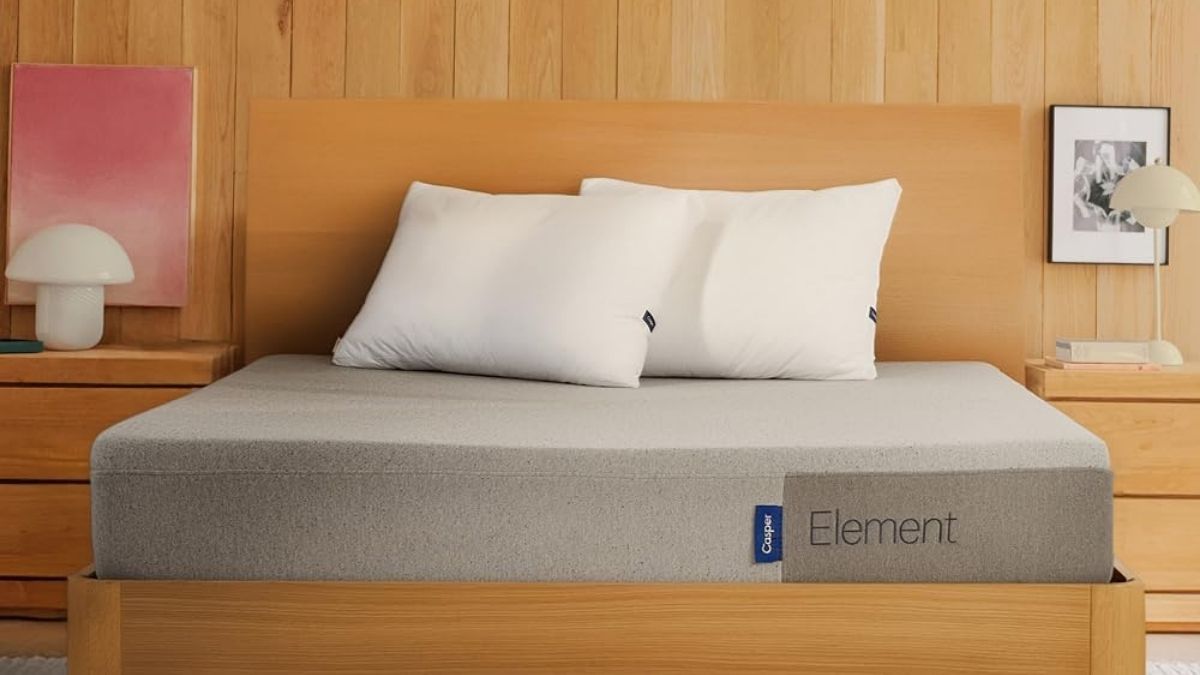
If you want a mattress that feels straightforward, supportive, and easy to live with, the Casper Sleep Element King Mattress is built for that lane. It’s an all-foam design with a balanced “middle of the road” feel, meant to work for many sleepers without leaning too plush or too rigid.
That said, “works for many” also means it won’t feel perfect for everyone. Your sleep position, body weight, and heat sensitivity can change how this mattress performs for you.
Construction at a Glance
The Element keeps things simple. Instead of multiple specialty layers, you get a practical two-part foam setup: a softer comfort layer on top and a denser support layer underneath.
Here’s what that usually means for you:
- You feel some contouring at the shoulders and hips.
- You still get a stable base that helps keep your spine from sagging.
- You don’t get the springiness you’d feel from coils.
Casper also uses CertiPUR-US® certified foam, which many shoppers like for peace-of-mind around certain material standards and emissions.
How It Feels: Support, Pressure Relief, and Movement
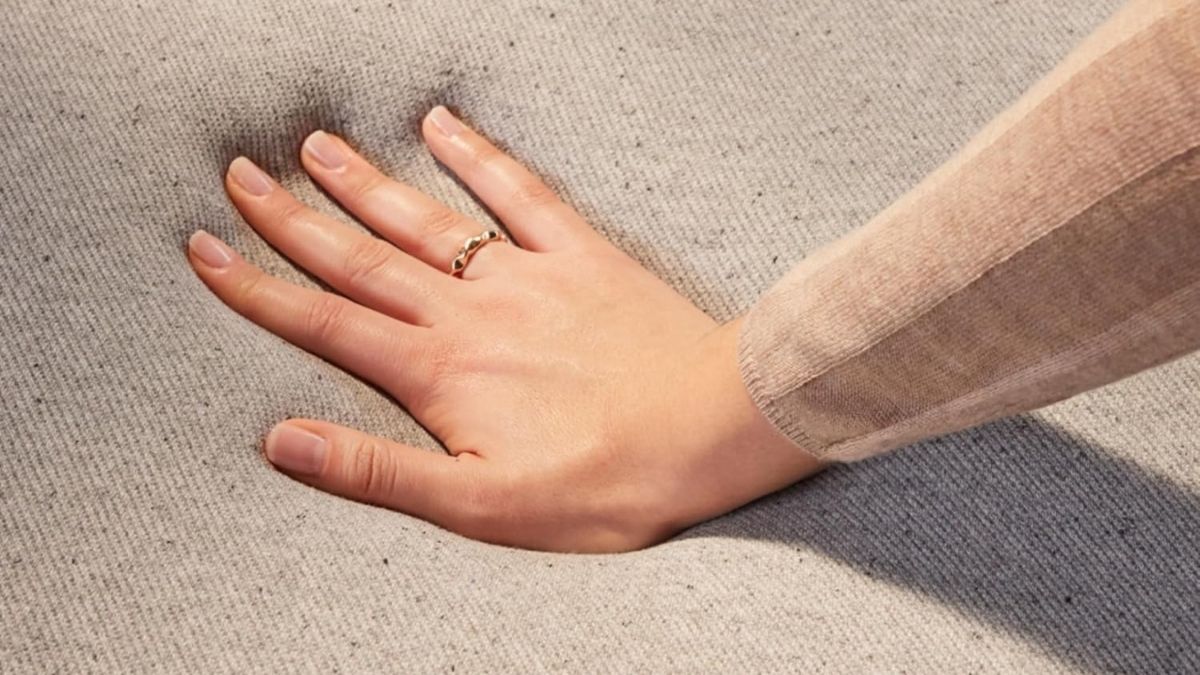
Most people describe the Element as a medium to medium-firm feel. In practice, you’ll likely notice gentle cushioning up top, then a firmer “hold” as you sink in slightly.
If you care most about spinal alignment
You may appreciate the support layer doing the heavy lifting. For back sleeping, that can help you avoid the hammock effect that softer foam beds sometimes create.
Potential limitation: If you’re heavier through the hips or prefer a very firm surface, you might still feel more dip than you want over time.
If you care most about pressure relief
You’ll get decent relief at common pressure points, especially if you sleep on your side part of the night. The top foam layer is meant to compress without making you feel swallowed.
Potential limitation: If you need deep cushioning for sharp shoulder/hip sensitivity, you may prefer a thicker or more advanced comfort system.
If you share your bed
All-foam mattresses are often strong at motion isolation, and the Element follows that trend. If your partner gets up or tosses around, you’re less likely to feel the movement.
Potential limitation: Edge support is usually not a standout on simpler foam beds. If you sit on the edge often, you might notice more compression than you’d get from a reinforced hybrid.
Temperature: Two Perspectives
Temperature is where sleeper-to-sleeper experiences can split.
Why it may feel fine:
The Element uses foam designed for airflow compared to old-school memory foam, and the cover is built to breathe.
Why it may still feel warm:
Foam, by nature, can hold onto heat more than coil systems. If you already sleep hot, you may still notice warmth during warmer months or in a warm room.
If you’re on the fence, think of it like this: it’s not “cooling mattress” territory, but it’s also not the stuffy foam feel some people fear.
Fit by Sleeper Type
This table can help you quickly check whether your sleep style lines up with what the Element is designed to do.
| Sleeper type | Likely fit | Why it may work | Where it may fall short |
| Side sleeper | Good for many | Gentle contouring at shoulders/hips | May not be plush enough for high pressure sensitivity |
| Back sleeper | Strong fit | Balanced support helps alignment | Heavier back sleepers may want firmer/thicker support |
| Stomach sleeper | Mixed | Some will feel supported | Full-time stomach sleepers often prefer firmer beds |
| Combination sleeper | Good | Foam feel supports position changes better than slow memory foam | Not as “bouncy” as hybrids |
Common Objections (and How to Think About Them)
“All-foam beds don’t last.”
Foam durability depends on density, weight load, and how you use the mattress. If you’re in an average weight range and use a supportive base, you may get solid multi-year performance. If you’re over 230 lbs, you may prefer a thicker mattress or a hybrid for longer-term structure.
“I don’t want to feel stuck.”
The Element usually won’t feel as quick and springy as coils, but it’s also not typically the deepest slow-sink feel. If you hate any contouring at all, you may still prefer a firmer innerspring or hybrid.
“I need strong edge support.”
If you often sit on the edge to put on shoes, or you need a very stable perimeter, a hybrid with reinforced edges often wins. If you mainly sleep and don’t perch on the edge much, the Element can still be perfectly workable.
Who You’ll Most Likely Be Happy With This Mattress
You’re more likely to enjoy the Casper Element King if you want:
- A balanced medium feel that doesn’t swing extreme soft or firm
- Low motion transfer for shared sleep
- A simpler foam design without lots of “special features”
- A mattress that’s easy to set up and fits most bed frames
If you want a distinctly cool mattress, extra bounce, or specialized zoning for orthopedic needs, you’ll probably feel better served by a hybrid or a more premium build. And of course, it’s available on Amazon.